Équité Launches Media Guidelines to Promote Ethical Reporting on LGBTIQ+ Community in Sri Lanka
Équité Sri Lanka has stressed the importance of ethical and responsible media reporting on LGBTQI+ issues to prevent discrimination and hate. A media guideline was launched in Colombo to promote accurate, sensitive, and rights-based journalism.
 editor
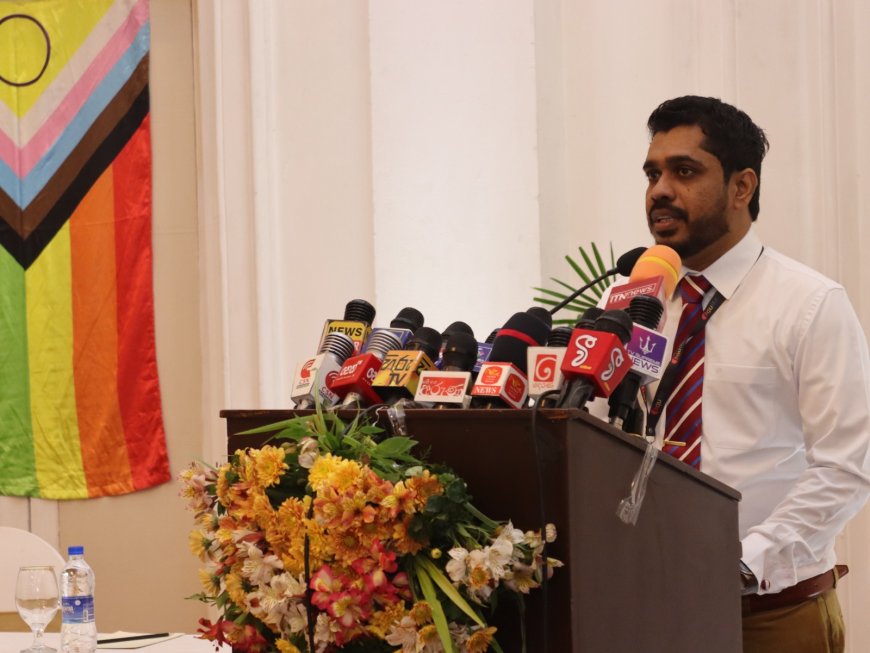
Équité, Sri Lanka’s leading organization advocating for the protection and promotion of the human rights of lesbian, gay, bisexual, transgender, intersex, queer, and other diverse sexual and gender identities (LGBTIQ+), has introduced a comprehensive set of media guidelines aimed at ensuring ethical and responsible reporting on LGBTIQ+ issues.
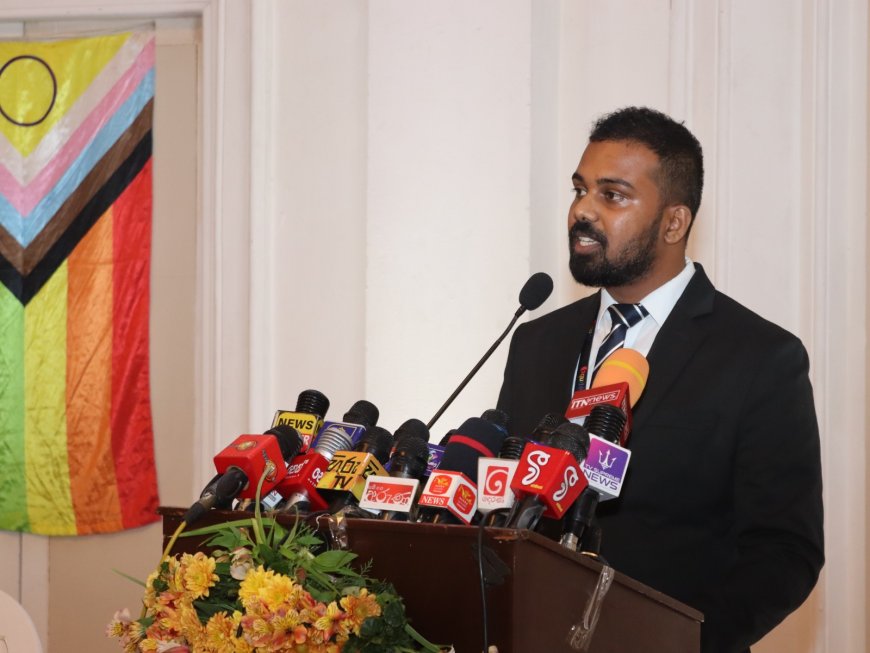
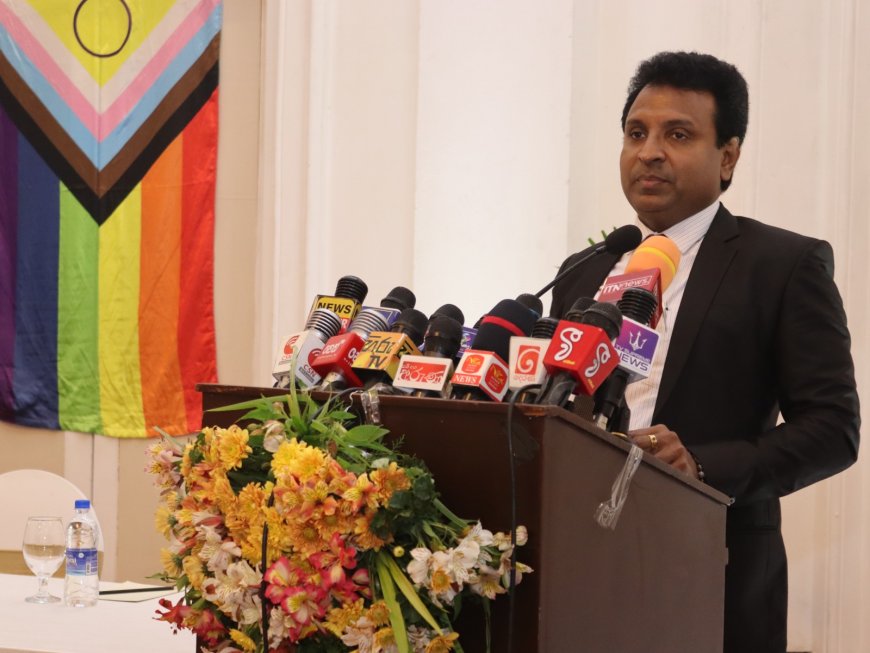
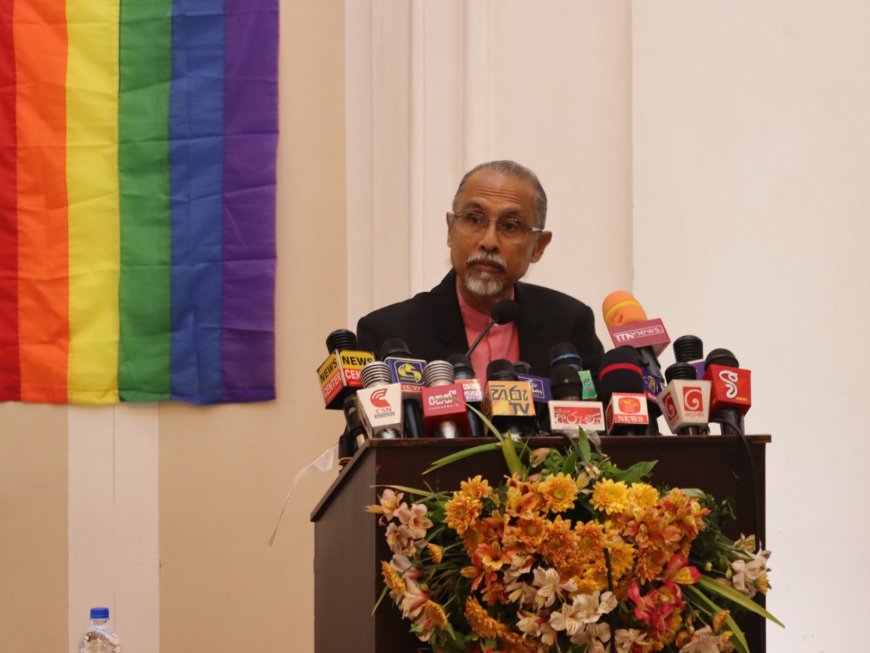
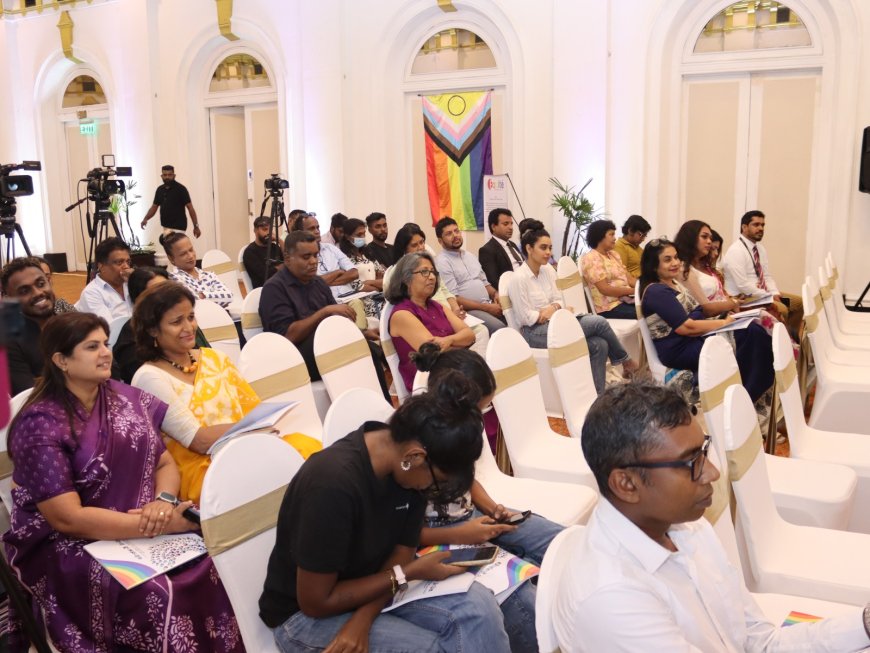
The guidelines were officially presented today at an event held at the Taj Samudra Hotel in Colombo, attended by media institutions and media professionals from across the country. Équité stated that the initiative seeks to prevent the marginalization of the LGBTIQ+ community and to avoid the creation or reinforcement of public prejudice through inaccurate or harmful media narratives.
As part of the event, Équité also launched a visual documentation book that highlights how the LGBTIQ+ community has been portrayed in Sri Lankan mainstream and social media over recent years. The publication examines recurring trends, misrepresentations, and ethical challenges in media coverage related to sexual orientation and gender identity.
Delivering the keynote address, Dr. Manoj Jinadasa, Senior Lecturer and Head of the Department of Mass Communication at the University of Kelaniya, emphasized the critical role of the media in shaping public perceptions and social attitudes. He noted that responsible journalism grounded in ethics and factual accuracy is essential to safeguarding the dignity and rights of marginalized communities.
A guest lecture on principles of ethical media reporting was delivered by veteran journalist Mr. Saman Athaudahetti, who underscored the importance of professionalism, accountability, and sensitivity when reporting on vulnerable populations.
According to available studies, the LGBTIQ+ community represents approximately 6% to 8% of Sri Lanka’s total population. Despite this significant presence, the community continues to face widespread discrimination and social exclusion, driven by misinformation, harmful stereotypes, outdated laws, and defamatory media reporting.
Équité highlighted that in recent months, members of the LGBTIQ+ community have been subjected to political, religious, and ideological attacks. The organization expressed concern that individuals are often unfairly targeted or collectively blamed due to the negligence or misconduct of others.
The organization reiterated that the LGBTIQ+ community is seeking the same fundamental rights guaranteed to all citizens under Sri Lanka’s Constitution. This includes calls for the reform of archaic laws introduced during the British colonial era, which continue to restrict the rights of individuals to live with dignity in accordance with their sexual orientation and gender identity.
Équité also urged political, religious, and social actors to refrain from using the LGBTIQ+ community as a tool for character assassination or ideological conflict. The organization called on media institutions and journalists to demonstrate professional integrity by ensuring their platforms are not used to spread hatred, misinformation, or discrimination.
Concluding the event, Équité reaffirmed its commitment to working collaboratively with the media to promote fair, accurate, and ethical reporting, emphasizing that responsible journalism plays a vital role in building an inclusive and respectful society.