HWPL Hosts 2026 International Youth Peace Conference, Bringing Global Youth Together for Peace and Human Rights
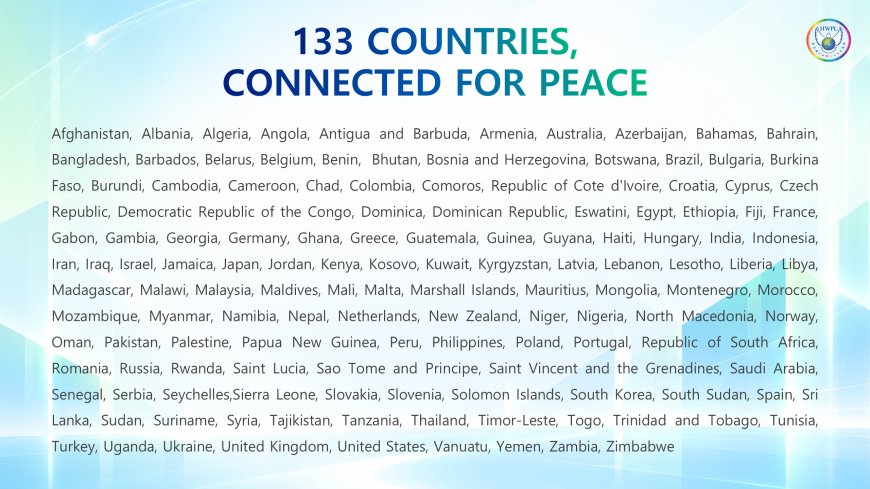
Heavenly Culture, World Peace, Restoration of Light (HWPL) hosted the 2026 International Youth Peace Conference online on October 10, bringing together young leaders to share peacebuilding achievements and discuss practical ways to promote peace and human rights. The event highlighted the International Peace Youth Group’s (IPYG) network of 1,890 youth organizations across 133 countries, along with its youth engagement initiatives and peace education programmes.
 editor
Sharing IPYG's Achievements with 1,890 Youth Organizations across 133 Countries
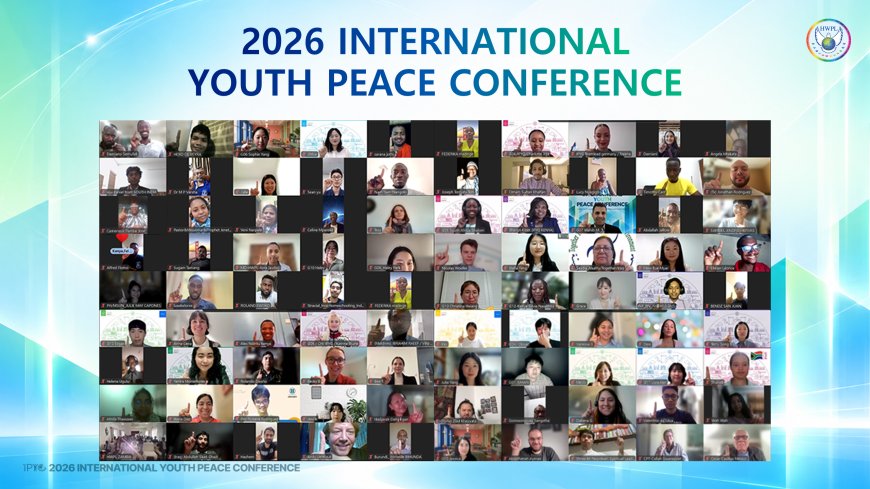
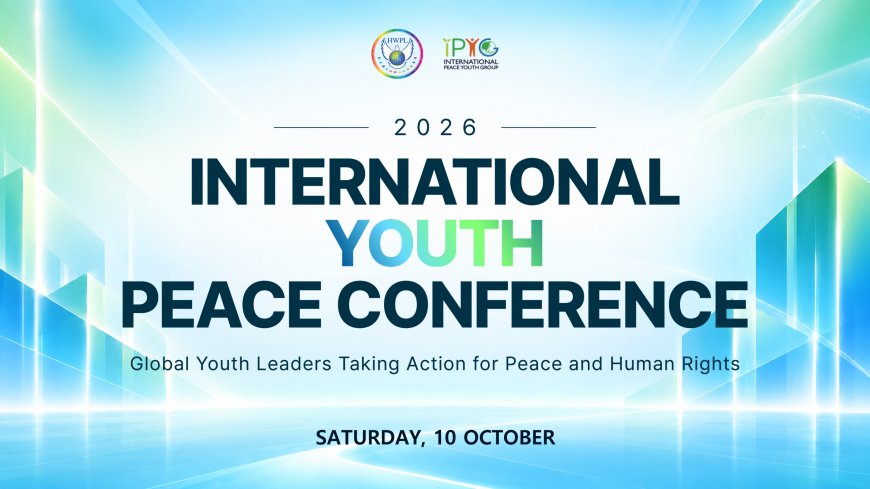
On October 10 at 10:00 PM KST, Heavenly Culture, World Peace, Restoration of Light (HWPL), an international peace organization, held the 2026 International Youth Peace Conference – Global Youth Leaders Taking Action for Peace and Human Rights online.
This conference was organized for global youth to share the achievements of their peace activities carried out throughout the year and to explore the roles and practical ways for youth to achieve peace.
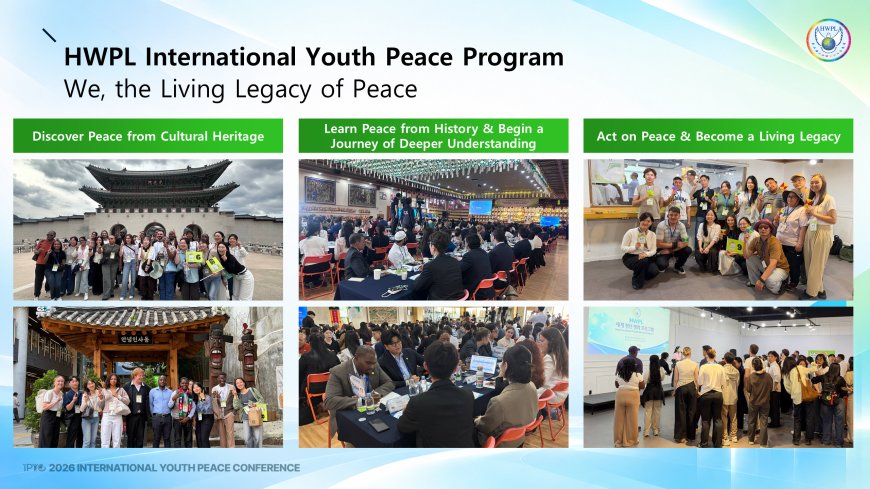
At the event, the 2026 achievements of the International Peace Youth Group (IPYG) and the key results of the HWPL International Youth Peace Program held in South Korea last September were introduced first. Conducted from September 17 to 19, this program consisted of a three-stage process: Discover-Learn-Act. One hundred youth leaders from 40 countries participated in this program, learning the value of peace through exploring South Korea's cultural heritage, lectures, discussions, and experiential activities, while seeking ways to apply them in their respective local communities.
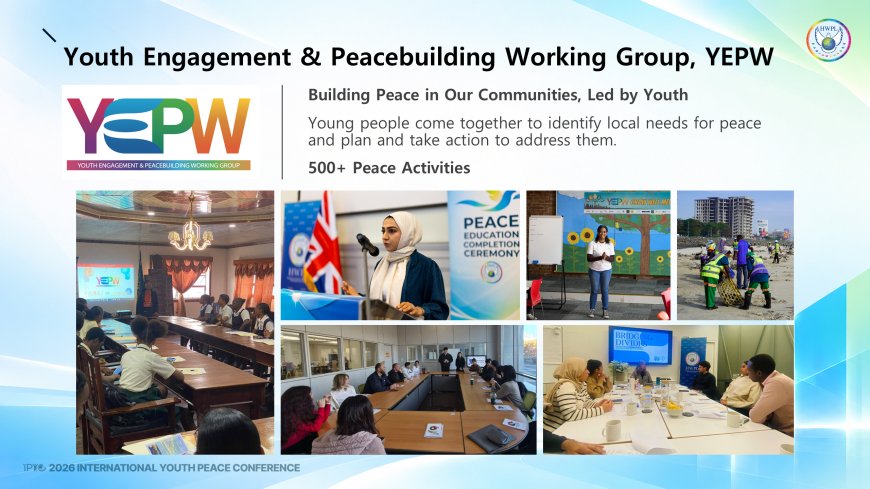
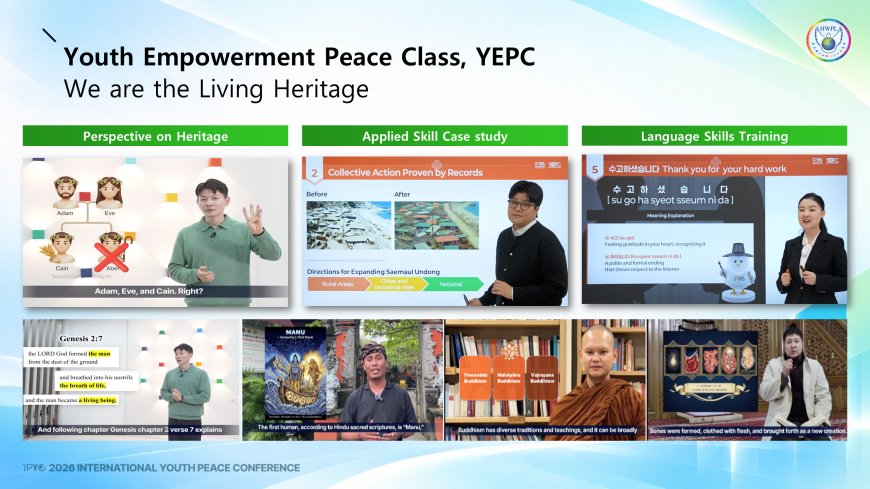
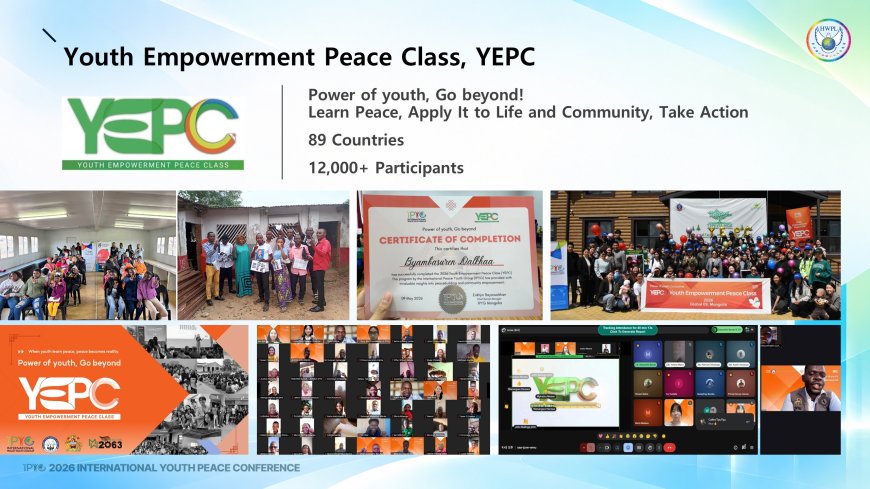
The achievements of the IPYG in expanding its international youth network were also shared. According to the presentation, the IPYG currently collaborates with 1,890 youth organizations across 133 countries. In addition, regular meetings of the Youth Engagement & Peacebuilding Working Group (YEPW)—where youth directly plan and execute peace activities needed in their local communities—were held over 500 times this year. It was introduced that approximately 12,000 youths from 89 countries have participated in the Youth Empowerment Peace Class (YEPC) so far. The YEPC is a non-formal peace education program that addresses the lack of educational opportunities faced by youth worldwide and provides them with opportunities to learn the value of peace and practice it in their local communities.
After hearing about IPYG’s achievements in 2026, Salif Bouné, founder of the Association of Pupils and Students from the Commune of Diaye Couras in Mali, said, “Seeing these men of peace who have spent their entire careers traveling the world, meeting people in a voluntary manner, and speaking to them about peace, truly motivated us a lot.”
These activities show that youth are not only empathizing with the necessity of peace, but are also directly participating in the process of creating peace proactively. Youths in each region are contemplating the peace tasks needed in their communities, planning and executing activities, and expanding their roles as agents of peace.
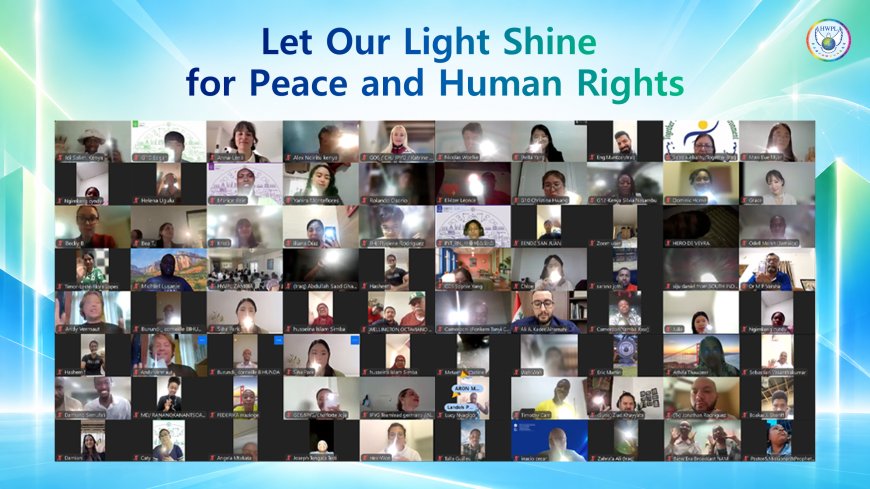
At the end of the event, a performance utilizing music and light was prepared. To the accompaniment of the performance music, participants raised their mobile phone lights or waved their hands, expressing their message desiring peace.
The host stated, "A single person's voice may sometimes feel small. However, if those voices gather into 10, 100, and 1,000 voices, they can become a great force capable of creating meaningful change."
Siju Thomas Daniel, founder of the SCEAD Foundation India, said, “I want to bring change starting from this conference, with what I have learned, from today until next year. My aim is to get all the youngsters to come forward and talk about world peace.”
This event served as an occasion for global youth to share their past peace activity achievements and share their determination to practice peace in their respective places. As youth expand their interest and participation as agents of creating peace, it is expected that their actions will lead to the fruits of peace in local communities around the world.