In Conversation: Arshed Refai on World Tourism Day at Sun Siyam Pasikudah
Ahead of World Tourism Day on 27 September, Arshed Refai, General Manager of Sun Siyam Pasikudah, discusses responsible luxury, sustainability, community engagement and the resort’s approach to showcasing Sri Lanka’s east coast. He also speaks about Travelife Gold Certification, wildlife conservation through the KALO Project and creating meaningful experiences for guests.
 editor
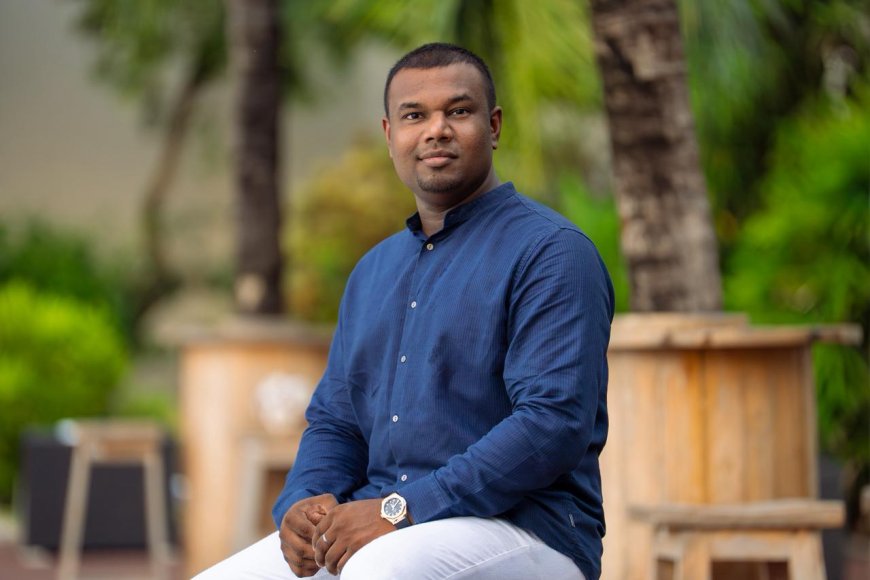
Ahead of World Tourism Day on 27 September, we sat down with Arshed Refai, General Manager of Sun Siyam Pasikudah, to talk about what the day means for the resort, how it fits into the wider philosophy of the Sun Siyam Privé Collection, and why sustainability at Pasikudah runs a good deal deeper than a single certification.
World Tourism Day is coming up on the 27th. What does the day mean for Sun Siyam Pasikudah?
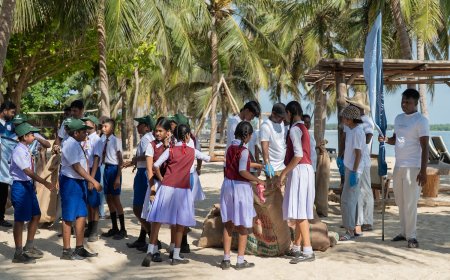
For us it is a chance to put a spotlight on things we care about all year, not just for one day. We have a full programme planned, a special buffet built around authentic Sri Lankan cuisine, a street food festival with regional snacks and traditional sweets, and a mocktail and cocktail we created specifically for the occasion. There will be traditional Sri Lankan cultural dance performances too. Alongside the celebrations, we are doing a tree planting activity with guests and a beach or park clean up campaign. Those last two matter most to me, honestly. World Tourism Day is meant to be a reminder that tourism carries a responsibility, and we wanted guests to take part in that rather than just read about it on a menu card. It is also just a nice excuse to bring the whole team together around something outside their usual roles, from the kitchen to housekeeping to the gardeners who will be leading the tree planting.
Sun Siyam Pasikudah sits within the Sun Siyam Privé Collection. What does that mean in practice, day to day?
The Privé Collection is our tier of properties built around the idea of curated luxury with purpose. In practice, that means we do not think of luxury as something separate from responsibility. It shows up in small decisions as much as big ones, a menu built around what a local fisherman brought in that morning, an excursion that takes guests through a village rather than around it, a turndown that uses ingredients grown nearby. None of that is a marketing
layer on top of the stay. It is the stay.
How would you describe Pasikudah as a destination to someone who has never been?
I would tell them to expect something quieter than what they might picture when they think of Sri Lanka's beaches. We sit on the east coast, along one of the island's most untouched stretches of coastline, a real alternative to the busier beaches further south. The bay here has a calm, reef sheltered lagoon, which is genuinely rare along our coastline, and the marine life draws snorkellers and divers throughout the season. We also get whale and dolphin watching excursions further offshore. Guests come here for space more than spectacle, long stretches of empty sand, slower mornings, and a coastline that still feels undiscovered. It is a different kind of holiday to the south of the island, less about ticking off sights and more about slowing down enough to notice where you actually are.
Tell us about the resort itself. What should guests expect from their stay?
We keep things intentionally small, just 34 villas, pavilions and suites in total. Guests can choose from Garden Pavilions, Ocean Pavilions, Private Pool Pavilions, and our Two Bedroom Pool Beach Villas, depending on what they need, whether that is a couple's escape or a family stay.
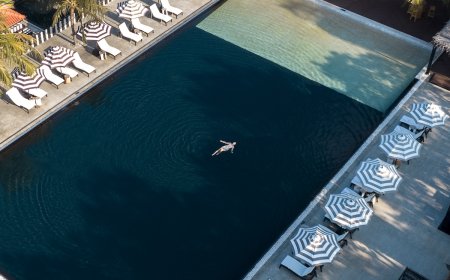
Every one of them is built for privacy and space rather than scale. On the dining side, we have six venues across the property, The Cellar, The Kitchen, The Tea House, The Bar, The Slice and Grill, and The Beach Shack, so there is real variety even within one resort. We also have a thirty metre infinity pool and a spa built around Ayurveda and other wellness traditions.
Beyond the rooms and the restaurants, what kind of experiences do you offer guests?
We try to make sure a stay here connects guests to the destination, not just the property. We arrange excursions to nearby national parks, UNESCO heritage sites, and local villages, and we run Sri Lankan cooking classes for guests who want to take something home with them beyond photographs. There are cycling routes through the surrounding countryside as well. The idea is that guests leave with a sense of the east coast itself, not just the resort.
Sustainability comes up a lot when you talk about Pasikudah. Why is that such a central part of how you run things?
Because I do not think you can call yourself a luxury resort in a place like this without taking responsibility for it. We hold a Travelife Gold Certification, which is one of the more rigorous sustainability standards in hospitality. It requires an independent audit across environmental and social practices, energy and water use, employee welfare, community support, all of it. But I always say the certification does not create the commitment, it confirms one that was already there. The audit is useful because it holds us to an external standard, but the work itself predates it and will outlast it. Recertifying is not a box ticking exercise for us, it is a chance to have someone from outside the resort tell us honestly where we are falling short.
You also support the KALO Project. Can you tell us about that?
Kalo is a young elephant calf being cared for at the Udawalawe Elephant Transit Home, on the other side of the island from us. She was found without her herd, and her recovery is being supported through the Sun Siyam Cares Fund, which covers the day to day costs of raising an orphaned calf, milk formula, veterinary care, and the upkeep required until she is strong enough to be reintroduced to a wild herd. That process usually takes several years. It is a long way from Pasikudah geographically, but I do not see it as separate from what we do here. Protecting Sri Lanka's wildlife and protecting its coastline come from the same instinct for us.
How does the local community factor into how you run the resort?
Every member of our team at Sun Siyam Pasikudah is Sri Lankan, and that is a deliberate choice, not a coincidence. We prioritise local suppliers wherever we can, the fishermen who supply our kitchens, the craftspeople behind our architecture and our cultural programming. Employment and income from the resort should stay in this community as much as possible. That is not something we put in a brochure, it is how the place actually runs.
What do you hope guests take away from a stay at Pasikudah?
I hope they leave feeling like they experienced something real, not staged. Responsible luxury should not be a marketing line, it should be something you feel in the food, the setting, and the stories the resort chooses to tell. If a guest leaves remembering the fisherman who caught their dinner, or the village they cycled through, or even Kalo's story, more than they remember the thread count on the sheets, then we have done our job properly.
What's next for Sun Siyam Pasikudah once World Tourism Day has passed?
It is a busy back half of the year for us. We move fairly quickly into the International Day of Generations Together at the start of October, then International Chefs Day later in the month, which our kitchen team always treats as a bit of a showcase. After that we are into Diwali, and then the run into Christmas and New Year, which includes a Sri Lankan Heritage Day celebration in between. It is a lot of programming, but each one gives us a slightly different reason to tell a story about this coast and this island, which I enjoy.
Any final thoughts on World Tourism Day this year?
Just that I hope it is not treated as a one day event, by us or by anyone else in the industry. The tree planting and the clean up are small gestures on their own, but they only mean something if they sit alongside a much bigger commitment, to our team, to our suppliers, and to the island itself. That is what we want guests to feel here, not just on the twenty seventh of September, but every day they choose to stay with us.