Sri Lanka's Digital Future Depends on AI-Ready Workforce, Experts Say
Salesforce South Asia CEO Arundhati Bhattacharya says Sri Lanka must invest in AI-ready talent, digital skills and strong public-private partnerships to achieve its USD 15 billion digital economy and build a 200,000-strong digital workforce by 2030.
 editor
Sri Lanka stands at a defining moment in its digital transformation, with artificial intelligence (AI) rapidly reshaping industries, economies and the future of work. As the country moves towards its ambitious goal of building a 200,000-strong digitally skilled workforce by 2030 and achieving a USD 15 billion digital economy, experts stress that investing in human talent will be the key to long-term success.
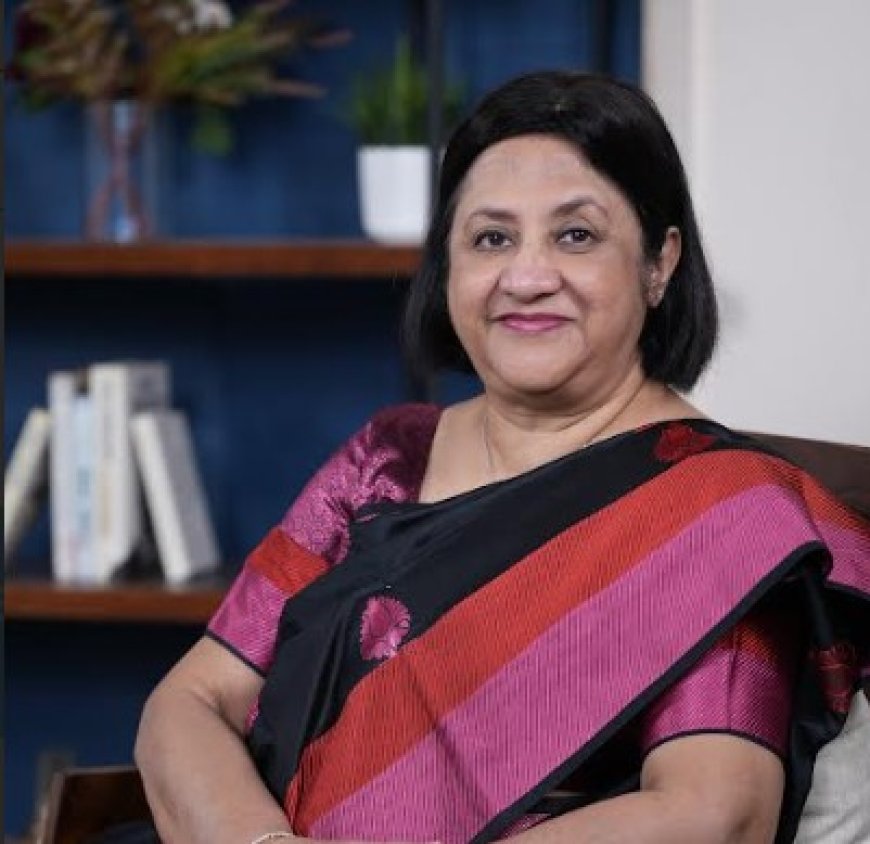
According to Arundhati Bhattacharya, President and CEO of Salesforce South Asia, Sri Lanka's greatest competitive advantage lies not in infrastructure or technology alone, but in its people.
She noted that countries and organizations across South Asia that have successfully embraced digital transformation are those that invested early in developing human capabilities rather than relying solely on advanced technology.
"Talent is the defining factor that determines whether technology becomes a competitive advantage or simply another expense," she said.
Bhattacharya emphasized that while AI is transforming every sector, it does not diminish the importance of human skills. Instead, the rise of intelligent technologies makes qualities such as creativity, critical thinking, contextual judgment, leadership and empathy even more valuable.
"The future does not belong to AI. It belongs to people who know how to work with AI," she said.
Highlighting the importance of collaboration, she called for stronger partnerships between the government, higher education institutions and the private sector to bridge the country's digital skills gap.
She noted that no single stakeholder can prepare the next generation for an AI-driven economy alone and that creating a supportive ecosystem for learning, innovation and employment is essential.
Marking World Youth Skills Day, Bhattacharya expressed confidence in Sri Lanka's young talent, stating that the country already possesses the human potential needed to thrive in the digital age.
"What Sri Lanka needs is an ecosystem that nurtures, challenges and retains its talent. Build that, and the digital economy will naturally follow," she concluded.
Her remarks reinforce the growing consensus that developing an AI-ready workforce will be central to Sri Lanka's economic competitiveness and sustainable digital future.