BRISL Seminar Deepens Undergraduates’ Understanding of Belt and Road Initiative and Opportunities for Sri Lanka
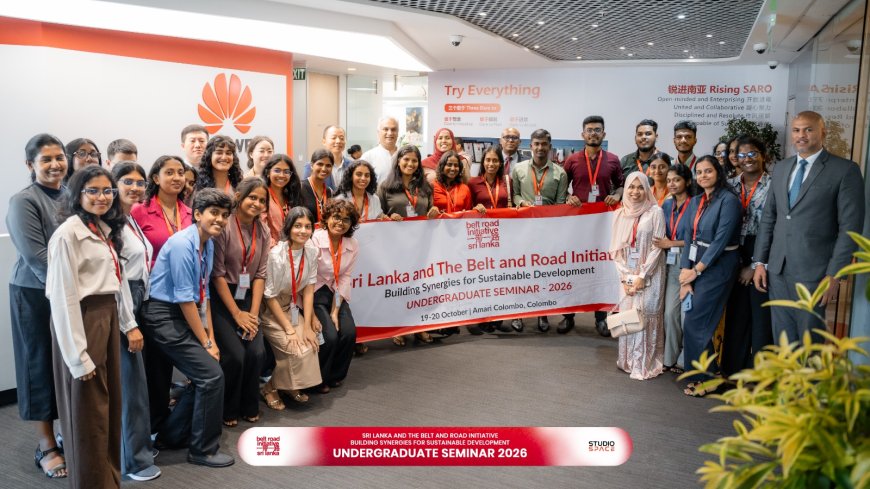
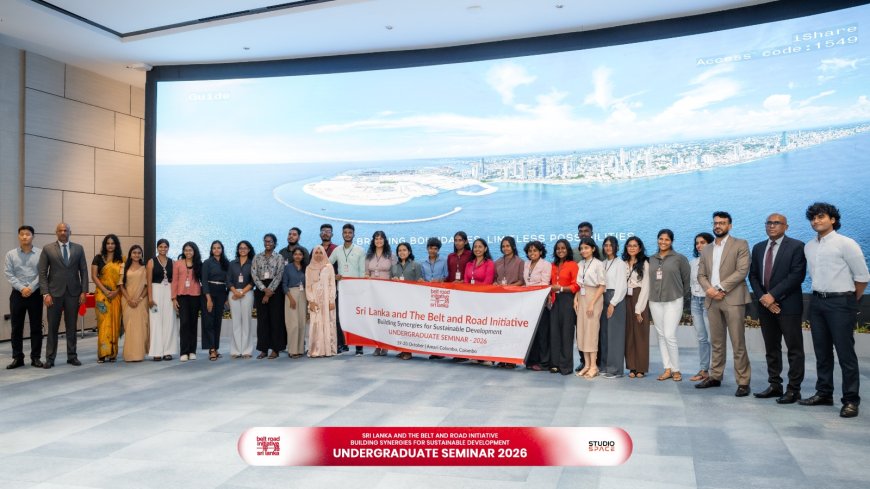
A BRISL seminar brought together 25 Sri Lankan undergraduates to explore the Belt and Road Initiative, investment, diplomacy, technology and sustainable development.
 editor
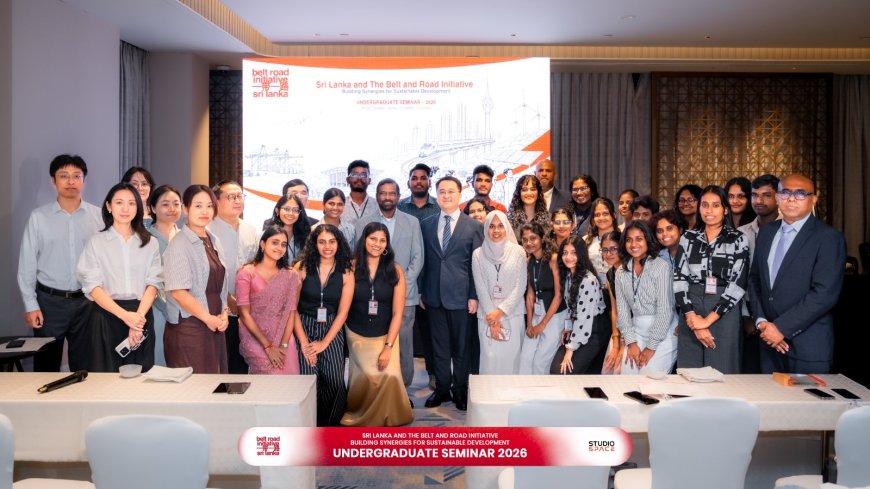
Two-day programme brings together 25 undergraduates for expert discussions, educational visits and an exploration of sustainable development opportunities
COLOMBO, October 23, 2026: A two-day seminar organised by Belt and Road Initiative Sri Lanka (BRISL), with the support of the Embassy of the People’s Republic of China in Sri Lanka, has helped deepen undergraduates’ understanding of the Belt and Road Initiative (BRI) and its potential implications for Sri Lanka’s economic development.
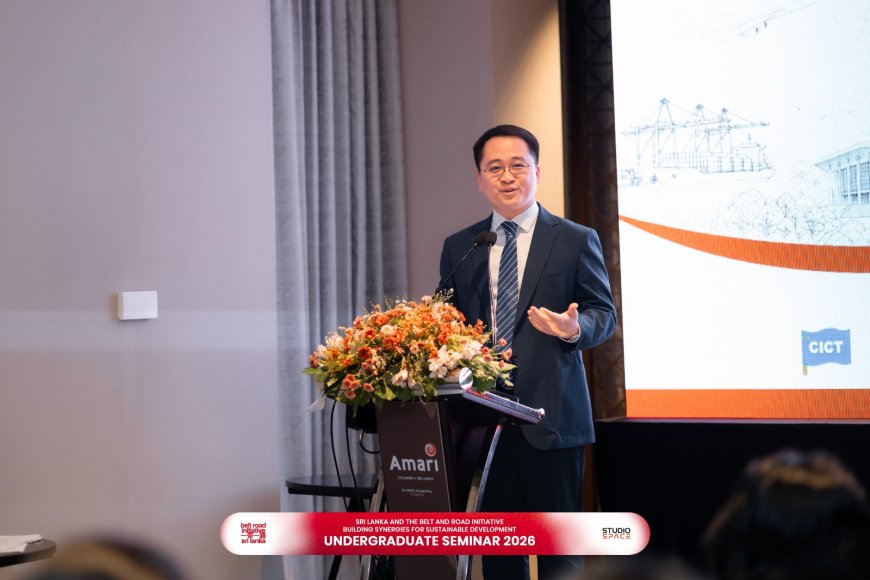
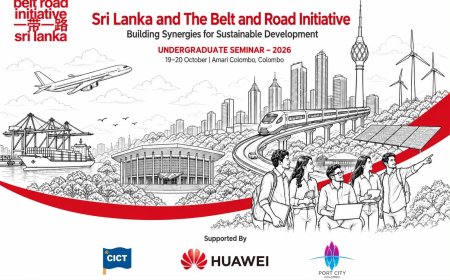
Held in Colombo on October 19 and 20 under the theme “Sri Lanka and the Belt and Road Initiative: Building Synergies for Sustainable Development,” the seminar brought together students, academics, diplomats and industry professionals to promote informed, evidence-based discussion on international cooperation and development opportunities.
The academic sessions were held at Amari Colombo, complemented by educational visits to Huawei, Port City Colombo and Colombo International Container Terminals (CICT).
The programme brought together 25 undergraduates from the University of Colombo, the University of Sri Jayewardenepura and the University of Kelaniya. Representing disciplines including Economics, Business Economics, International Relations and International Studies, the participants engaged with expert perspectives on finance, diplomacy, geopolitics, investment, technology and sustainable development.
Welcoming the participants, BRISL Director Maya Majueran encouraged them to look beyond the infrastructure dimension of the BRI and consider its wider implications for trade, investment, diplomacy, technology and economic development. He stressed that international cooperation should respond to Sri Lanka’s national priorities and deliver meaningful benefits to its people.
He also encouraged students to ask questions, examine evidence and engage respectfully with differing perspectives. The seminar provided a platform to discuss both the opportunities and challenges associated with the initiative while building connections among students from different universities and academic disciplines.
Financing, diplomacy and strategic autonomy
The first day began with a presentation by UNDP economist Dr. Vagisha Gunasekera on innovative financing, debt restructuring and strategic autonomy. Her session explored how financing decisions can influence a country’s ability to make independent policy choices, highlighting the importance of borrowing terms, institutional capacity and the distribution of costs and benefits.
Students were encouraged to examine who provides financing, who bears the risks and whether investments expand Sri Lanka’s future development options. The discussion also addressed the importance of matching appropriate funding sources with well-prepared development projects.
Dr. George I. H. Cooke presented a historical and diplomatic perspective on the BRI, examining its place in the evolution of China’s foreign policy and Sri Lanka–China relations. His presentation traced significant milestones in bilateral relations, including the Rubber–Rice Pact, providing historical context for contemporary cooperation.
Admiral (Prof.) Jayanath Colombage addressed Sri Lanka’s strategic autonomy amid geopolitical competition in the Indian Ocean. He examined the country’s maritime position, the importance of secure trade routes and the need to maintain constructive international relationships while preserving independent decision-making.
Examining the economic opportunities and challenges of the BRI
The second day featured Professor Sirimal Abeyratne’s presentation, “Beyond the Headlines: The Economics of the BRI for Sri Lanka,” which examined the initiative’s potential economic contribution to the country.
He began by highlighting China Merchants Port Holdings’ withdrawal from the proposed US$392 million South Asia Commercial and Logistics Hub (SACLH) project at the Port of Colombo. Describing it as a lost investment opportunity, he emphasised the importance of creating a supportive investment environment capable of translating international cooperation into tangible economic benefits.
Dr. Palitha T. B. Kohona, former Foreign Secretary of Sri Lanka and former Sri Lankan Ambassador to China, subsequently addressed the future of Sri Lanka–China relations from diplomatic and legal perspectives.
Drawing on his diplomatic experience, he explored opportunities to strengthen cooperation in trade, investment and technology. He highlighted China’s advances in digital technology, artificial intelligence and green energy, encouraging Sri Lanka to engage strategically to benefit from these developments. His address underscored the importance of informed engagement and effective negotiation in converting bilateral relations into practical development opportunities.
BRISL Director Maya Majueran then delivered a presentation titled “High Quality BRI and Sri Lanka: Unlocking New Pathways for Sustainable Development.” He focused on aligning international cooperation with national priorities and ensuring that investments generate lasting economic and social value.
He highlighted financial sustainability, transparent procurement, environmental protection, community consultation and reliable maintenance as important considerations in development projects. He also stressed that cooperation should extend beyond infrastructure to include skills development, technology transfer, opportunities for local suppliers and improved access to export markets.
Outlining a practical roadmap, he called for better-prepared projects, stronger connections between infrastructure and productive economic sectors, and effective measurement of economic and social impacts. He emphasised that infrastructure investment should ultimately be assessed by the lasting value it creates for people, businesses and future generations.
Interactive discussions and educational visits
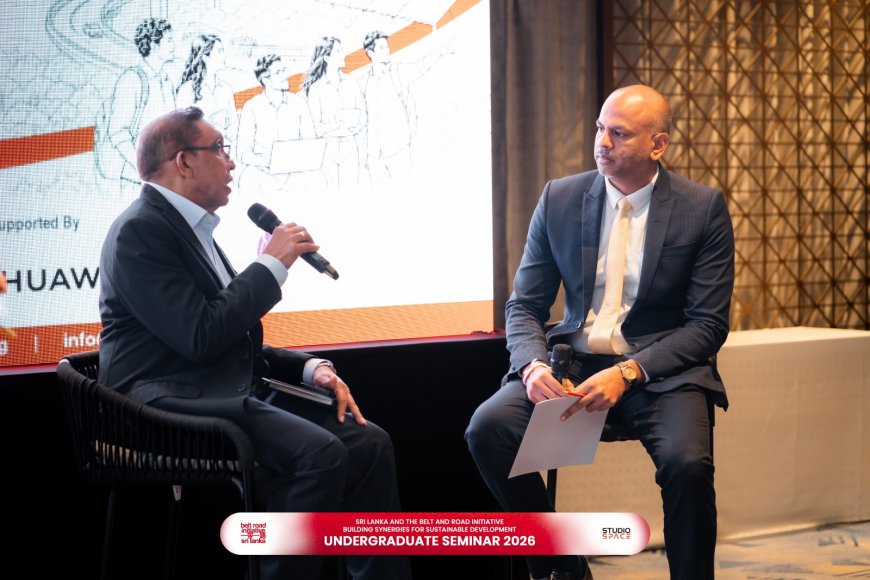
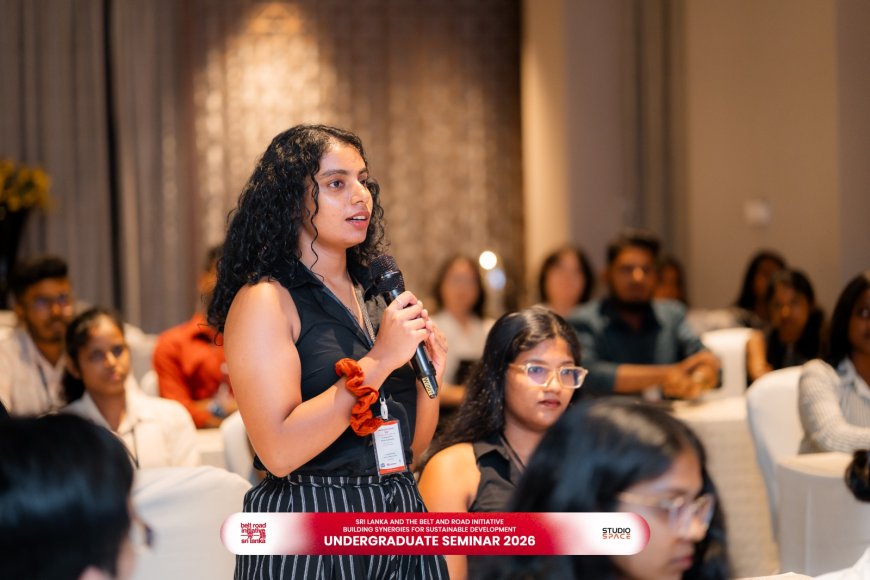
Each presentation was followed by a question-and-answer session, allowing students to seek clarification and examine issues raised by the speakers. BRISL Director Yasiru Ranaraja moderated the discussions, encouraging participants to share their perspectives and engage actively. Chamodi Boralessa of BRISL also moderated one of the sessions.
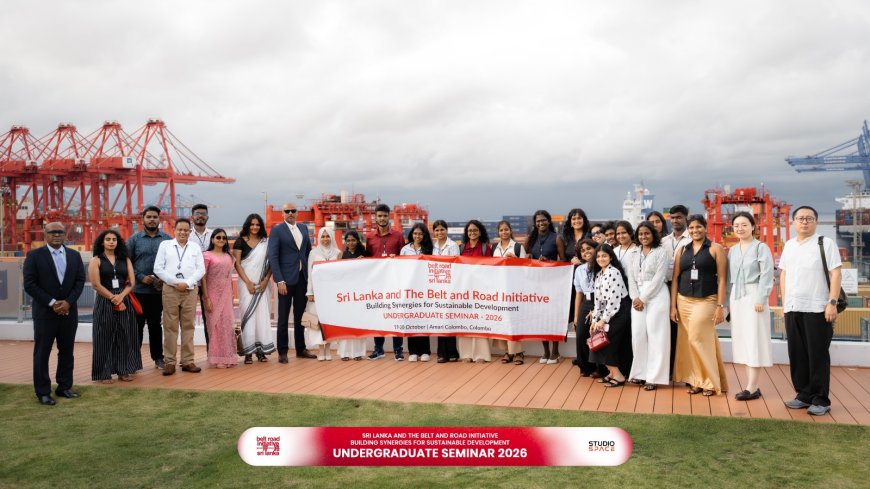
Educational visits formed a central component of the programme, connecting classroom discussions with practical examples of technology, investment and infrastructure development.
At Huawei, students explored the role of digital infrastructure, technological innovation and skills development. The visit highlighted the relevance of digital transformation and the opportunities available to young people in an increasingly technology-driven economy.
At Port City Colombo, participants gained exposure to urban development, investment and Sri Lanka’s potential to develop as a regional business and services hub. The visit also connected discussions on emerging industries with professional skills and future employment opportunities.
At Colombo International Container Terminals, students were introduced to container-terminal operations and Sri Lanka’s position within international shipping networks. The visit demonstrated the importance of port infrastructure, logistics and technology to maritime connectivity and global trade.
Chinese Embassy highlights bilateral cooperation and export opportunities
The closing ceremony was attended by Zhu Yanwei, Deputy Head of Mission of the Embassy of the People’s Republic of China in Sri Lanka, together with other Embassy officials.
In his address, Zhu highlighted the longstanding friendship between China and Sri Lanka and the potential to deepen bilateral cooperation. He discussed opportunities for Sri Lanka to benefit from the Belt and Road Initiative, drawing particular attention to the country’s potential to expand exports to the Chinese market.
His remarks added a trade-focused perspective to the seminar’s broader discussions on connectivity, investment and sustainable development.
The closing ceremony also featured reflections from students, who shared their experiences and key lessons from the programme. Participants said the expert presentations and educational visits had introduced new information, clarified misconceptions and broadened their understanding of the BRI and its relevance to Sri Lanka.
The reflections illustrated how the seminar had encouraged students to reassess earlier perceptions and develop a more informed perspective on the initiative.
Certificates were presented to participants by Zhu Yanwei and Dr. Palitha T. B. Kohona in recognition of their successful completion of the seminar.
BRISL expressed its appreciation to Zhu and the Chinese Embassy for their support, while thanking the speakers, participating universities and host institutions for their contributions.
In his closing remarks, Majueran encouraged participants to share their learning with fellow students and continue examining development and international cooperation with an open and thoughtful approach.
The seminar highlighted the importance of equipping young people to assess international development initiatives critically and consider how partnerships can contribute to sustainable and inclusive benefits for Sri Lanka.